
Narratives Lived Out Loud In Agriculture
Regenerative agriculture is a very trendy phrase right now. While we believe in its importance, we also believe it’s important to talk about work being done to combat recent challenges with the weather and how to create cyclical systems to support every part of the process of bringing healthy ingredients from farms to kitchen counters.
We’ve worked for the last 6 years designing narratives that bring agriculture to life through collaborations with artists, museums, leading grocery stores, scientists, and chefs. Experiential marketing has spanned from chef dinners in the wild, to multi-media stories, to gallery exhibits.
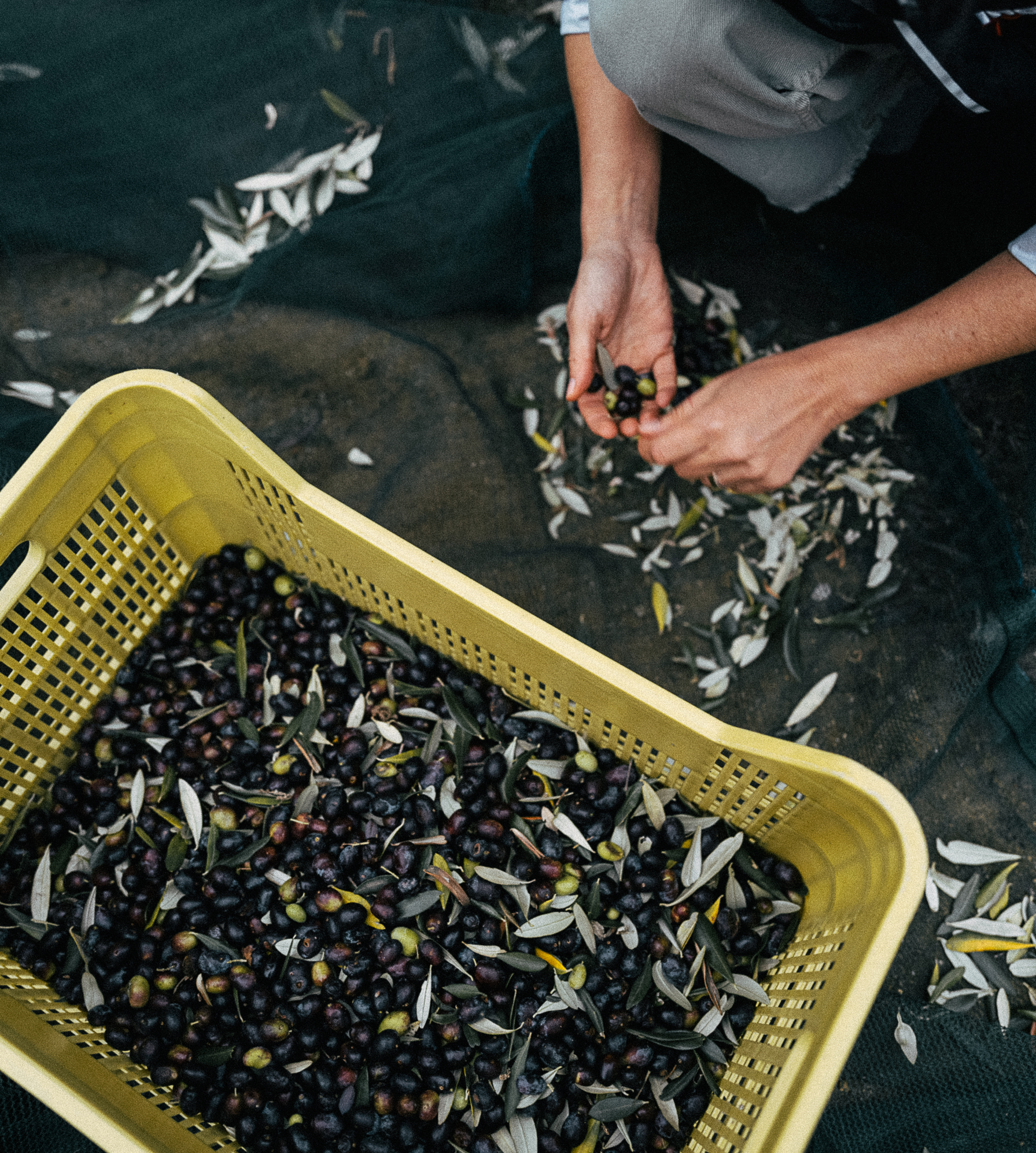
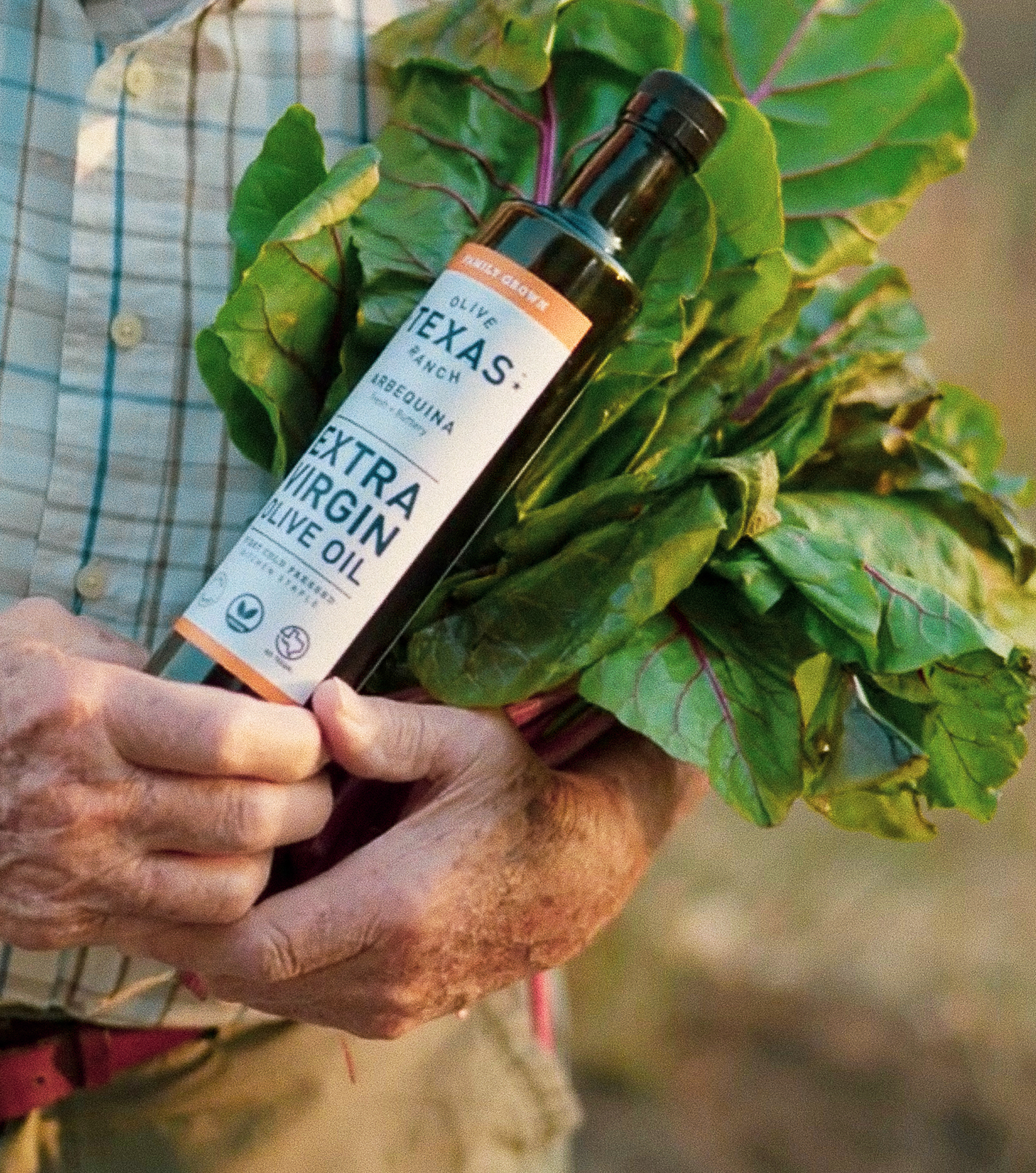
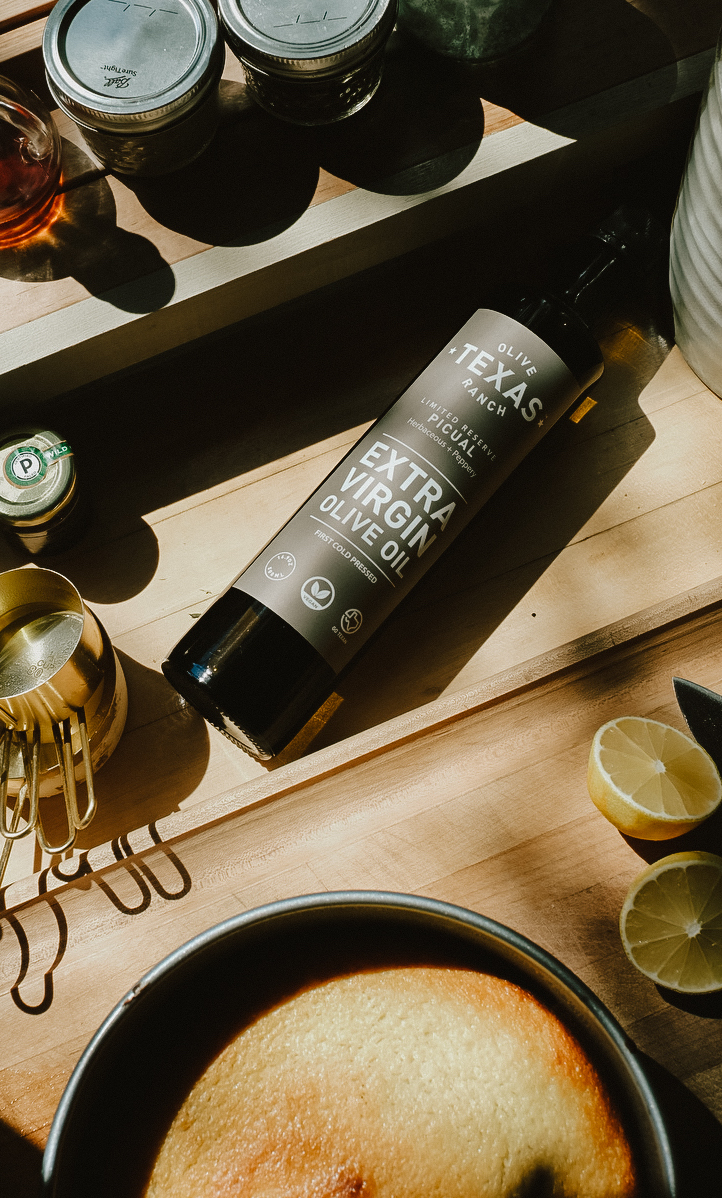
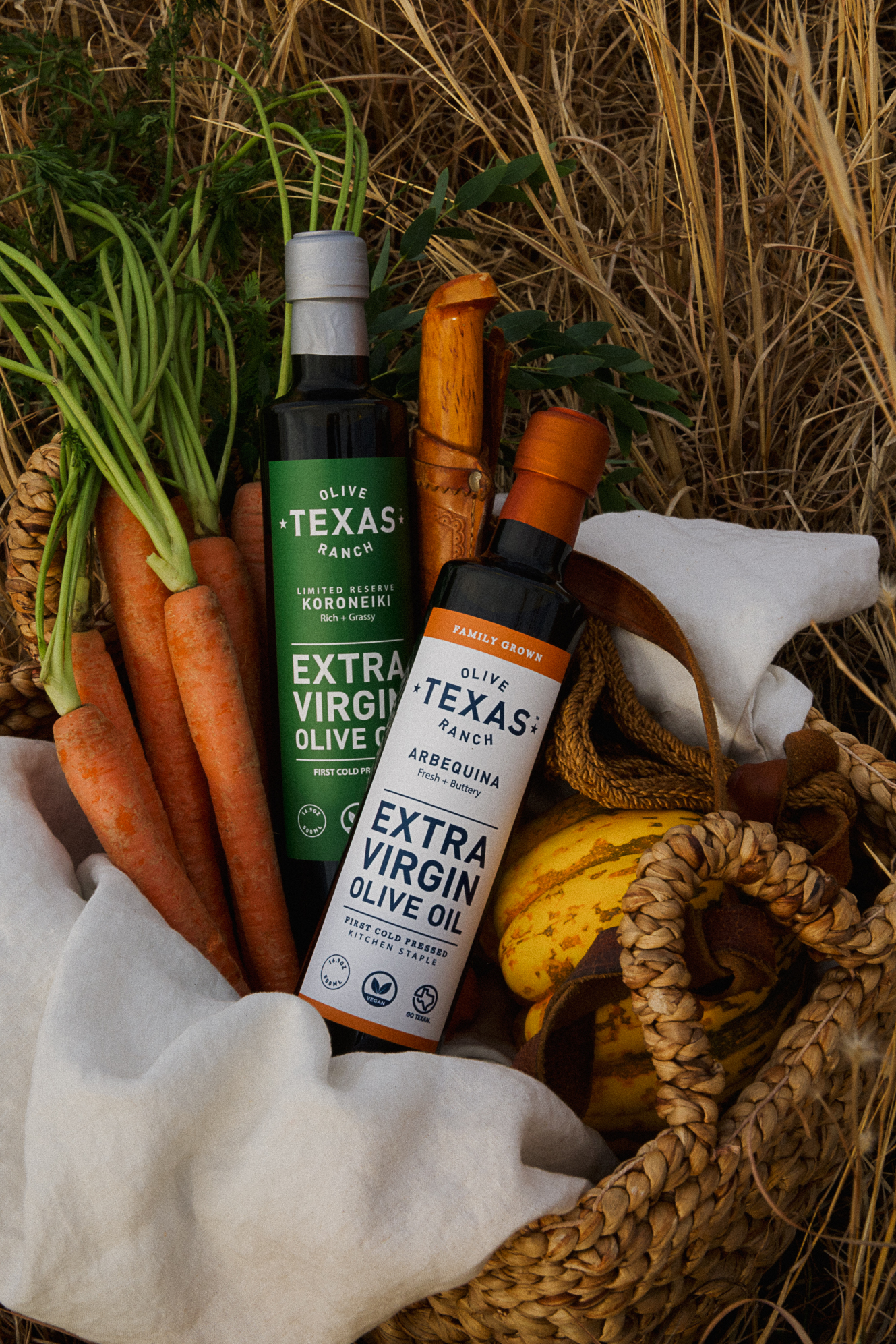
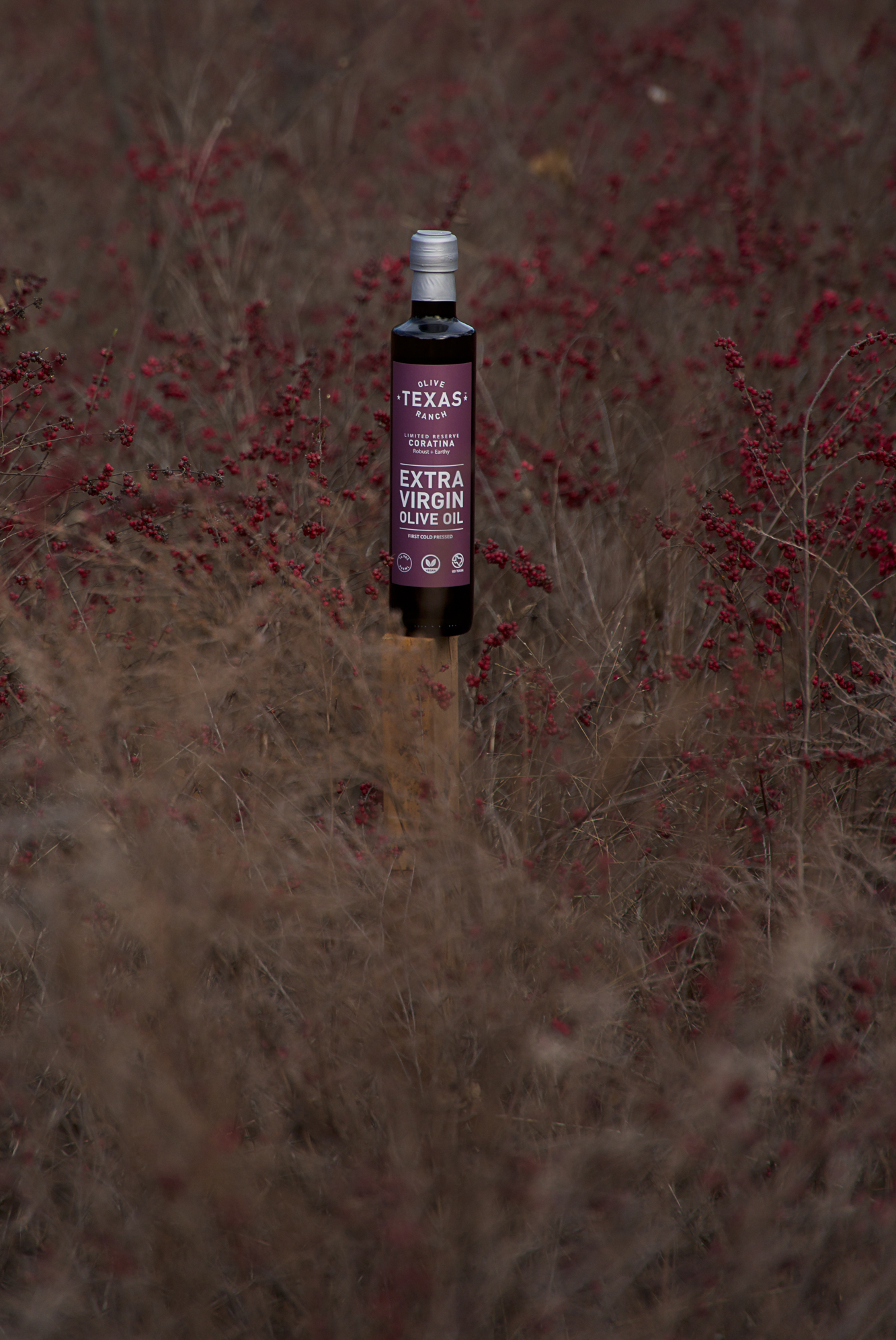
Working with Texas Olive Ranch has been a mighty fine honor, expanding from designing content for their audiences to establishing their team culture, as their focus on transparency and value alignment leads their operations and strategies.
Their team constantly looks at problems as challenges to grow from and then actively explores ways to share lessons learned to support the international agriculture community’s collective progress.
Consider their latest initiative— partnering with scientists to develop an organic solution for protecting trees during drought and extreme heat. This product, made from the bi-product of olive leaves, has the potential to make a significant impact on tree health and the agriculture community at large.
Or their focus on accessibility standards—as they work towards finding a green solution for inclusive packaging.
Seeing Texas Olive Ranch in action and having the opportunity to collaborate with these agricultural leaders has instilled a sense of hope for the future of our food systems. Their work is a testament to the potential for positive change in the industry.
A note from the founder, on the fortitude of agricultural leaders managing in the current climate and economic crises:
Working in spaces steeped in necessity and focused on impact leaves little time to linger.
Then there are the times that upend us, that swallow us whole. We try to continue on in the box that capitalism has neatly provided us, patterns that are familiar, processes that provide habitual comfort, numbers that make sense when you add them together. But when something suddenly subtracts and will never again equate to what it did yesterday, it’s only a matter of time until we unravel.
There are times when we must stand still to grieve. When we pour rye into a coffee cup early in the morning for you, me, and a suddenly empty chair. When we refuse to close our eyes and watch pieces of ourselves scatter across the floor; while we choose what not to pick back up and bring with us when we remember to carry on. When we stare down the barrel of fear with curiosity and ask for help instead of shooting blame. When we forgive ourselves for trying to move forward. When we dig hierarchy out from between teeth pressed together from too many words and consider collaboration as an opportunity to hold what is unknown with reverence.
When we can’t hold it together anymore, what have we designed to hold us instead? Have we cultivated cultures to contain our own multitudes? Have we considered how the pause can teach us more than the progress?
This is the fucking point. To create structures strong enough to hold communities requires us to consider how we break against the edge, how we sit looking at the bottom of an empty cup to find how we will fill it again, how we sift through the swells and remember our own shape. Good business be damned, intentional and aligned communities have never been about something we could hold. It’s about those we commit to carry, it’s the belief in carving out a space for a culture held together by the thin weight of words and giving a damn.